By Alexander Salinas, RN
There's a specific kind of tired that shows up after a flight. It isn't just sleepiness. It's the cotton-mouth, tight-skin, slightly foggy feeling that follows a few hours in recycled cabin air, airport coffee, and the quiet decision to avoid the restroom until landing.
I've felt it after long travel days, and I've seen the same look on patients and fellow nurses: technically awake, but not quite back in the room. Jet lag has several causes, but hydration is one of the easiest pieces to support before, during, and after a flight.

- Cabin air is dry, and travel makes it easy to under-drink.
- Electrolytes can complement water when you're sweating, feeling depleted, or traveling for many hours.
- Timing matters: hydrate steadily, pair fluids with food, and don't use a giant drink as a last-minute fix.
The airplane is a dry little ecosystem
Commercial aircraft cabins are pressurized and typically have low humidity. That doesn't mean a flight automatically causes dangerous dehydration, but it does create a setting where dry eyes, dry mouth, and thirst can become more noticeable. Add salty airport food, alcohol, caffeine, stress, and a disrupted routine, and it's easy to arrive feeling off.
The answer isn't to force down liters of water. Overdoing plain water quickly can be uncomfortable and, in extreme situations, can disturb the body's sodium balance. A better travel ritual is consistent, moderate hydration that respects your body's signals.
Electrolytes are minerals such as sodium and potassium that help regulate fluid balance and support nerve and muscle function. They don't "cure" jet lag, but they can help replace minerals lost through sweat or low intake while you get your routine back on track.
Jet lag is more than a sleep problem
Your circadian rhythm is your internal timing system. Crossing time zones asks it to adjust to a new schedule for light, meals, movement, and sleep. Hydration can't reset that clock by itself, but arriving dehydrated or underfed can make the transition feel rougher.
When I travel, I think in layers. Light exposure and sleep timing help the clock. Food gives the body a schedule. Water and electrolytes support the basics that make every other strategy easier to follow.
You don't need a perfect travel day. You need a few steady signals your body can trust.
That mindset is more useful than chasing a miracle product. A hydration mix is one tool in the kit, not a substitute for sleep, medical care, or a reasonable travel plan.
When electrolytes make sense on the road
For a short flight when you've eaten normally and feel well, plain water may be all you need. Electrolytes become more practical when your travel day includes extra fluid loss or a long stretch without a balanced meal, such as:
- A connection-filled day with lots of walking and luggage hauling
- Hot, humid weather after landing
- Exercise, a beach day, or a hike during the trip
- Vomiting or diarrhea, where an oral rehydration solution may be more appropriate
- A personal tendency to forget to drink when routines change
If you have kidney, heart, or liver disease, follow a clinician's fluid and sodium guidance rather than copying someone else's travel routine. The same goes for anyone taking medication that affects fluid balance.
If you're dizzy, confused, faint, unable to keep fluids down, or producing very little urine, don't treat it as ordinary travel fatigue. Seek medical care, especially if symptoms are sudden or severe.
My carry-on hydration ritual
I keep this intentionally simple. The best routine is the one that survives a delayed gate, a crowded terminal, and the moment your boarding group is called.
Before leaving for the airport
Start the day normally. Have a meal with some protein and carbohydrates, drink water with it, and avoid trying to "pre-hydrate" by chugging a huge bottle right before security. That usually creates urgency, not better hydration.
I also mix one serving of electrolytes into my routine when I know the day will be long, hot, or unusually active. Look for a label that makes the sodium amount clear and choose a formula that fits your needs—not the loudest promise on the front of the package.
During the flight
Take small, regular sips instead of waiting until you feel parched. I'll ask for water when beverage service comes through, and I keep a refillable bottle ready for the terminal side of security.
A useful rhythm is to pair drinking with natural moments: after boarding, with a snack, when you stand to stretch, and before landing. Skip or limit alcohol if it makes you feel worse; travel is already enough of a chemistry experiment.
After landing
Drink with your first meal in the new time zone, get outside for daylight if you can, and take a gentle walk. That combination gives your body fluid, calories, movement, and a time cue—four small votes for feeling human again.
Put your electrolyte packets in your personal item, not your checked bag. Travel plans change. Your hydration ritual shouldn't depend on your luggage arriving on time.
The little details that make travel feel better
Hydration works best when it is attached to habits you already have. Try these on your next trip:
- Eat something with your drink instead of relying on coffee alone.
- Pack fruit or another easy snack for long connections.
- Use lip balm and lubricating eye drops if dry air bothers you.
- Stretch your calves and walk periodically on long flights when it's safe to do so.
- Keep your first post-flight evening calm; a giant late-night meal and a nightcap rarely improve jet lag.
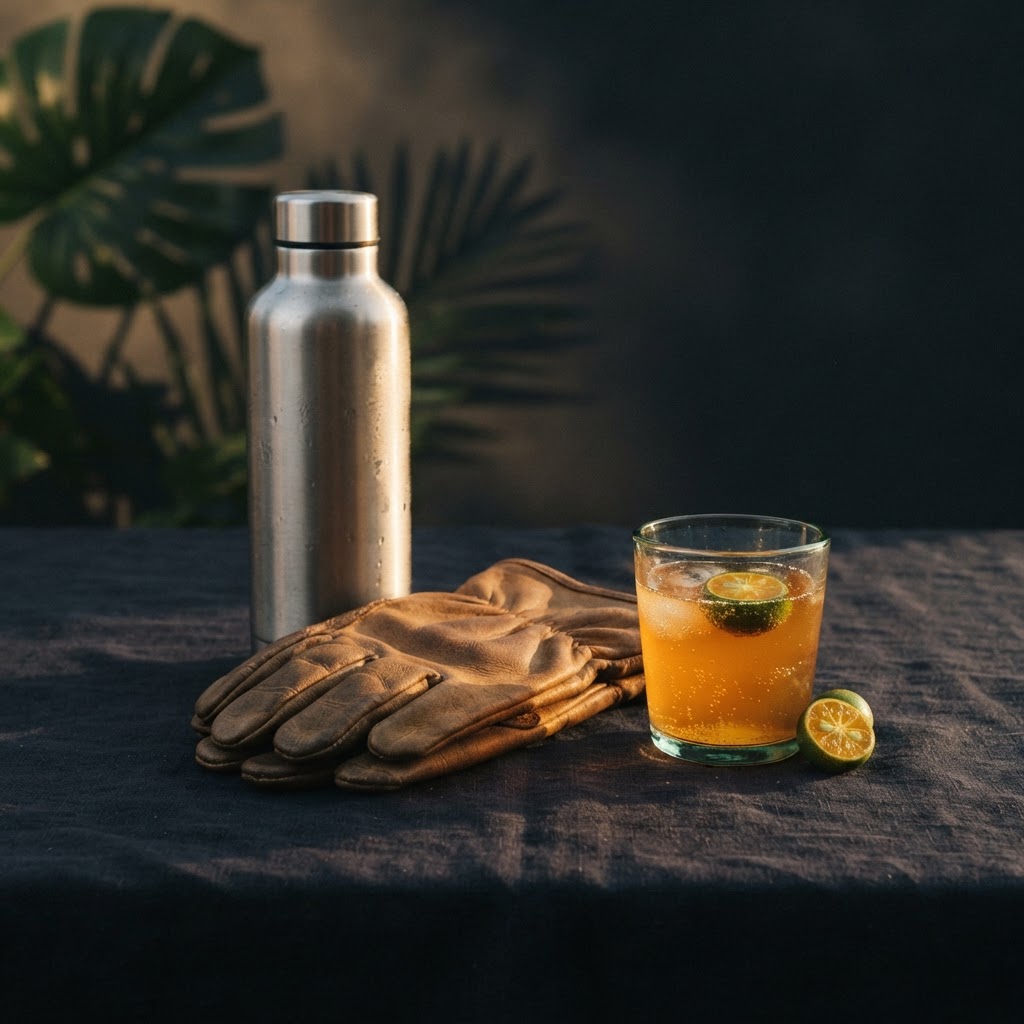
I'm also a fan of flavor. A bright calamansi note makes water feel like a small travel ritual rather than another obligation, with a nod to the Filipino citrus I grew up appreciating. That kind of sensory cue matters: when something tastes good, you're more likely to reach for it.
What I actually do
My travel checklist is refreshingly unglamorous:
- Water bottle after security
- One or two electrolyte servings for the full travel day
- A real snack, not just another airport coffee
- Comfortable layers and a few minutes of movement
- Morning light after arrival, adjusted to the destination
If I land feeling tired, I don't panic or try to out-supplement the time zone. I eat, sip, walk, and let sleep do its job.
Feeling better while traveling is usually about stacking small, repeatable choices. Electrolytes can support the hydration piece, but the ritual is bigger than the packet.
INOMANLYTES is hydration inspired by Filipino flavor for the days that take you somewhere—whether that's a new city, a new shift, or the long way home. Follow along at drinkinomanlytes.com and join the waitlist to be the first to know when we launch.
Travel well, drink steadily, and give your body a little grace while it finds the new time zone.
— Alexander
Hydration inspired by Filipino flavor. Meet INOMANLYTES → Follow along at drinkinomanlytes.com — join the waitlist to be the first to know when we launch.
Hydration inspired by Filipino flavor.
Meet INOMANLYTES — electrolytes with intention.
Meet INOMANLYTES
Alexander Salinas, RN
Verified AuthorCritical care nurse, yoga teacher, and founder of INOMANLYTES. On a mission to bring intentional, Filipino-inspired hydration to everyday wellness.
Read his story →