By Alexander Salinas, RN
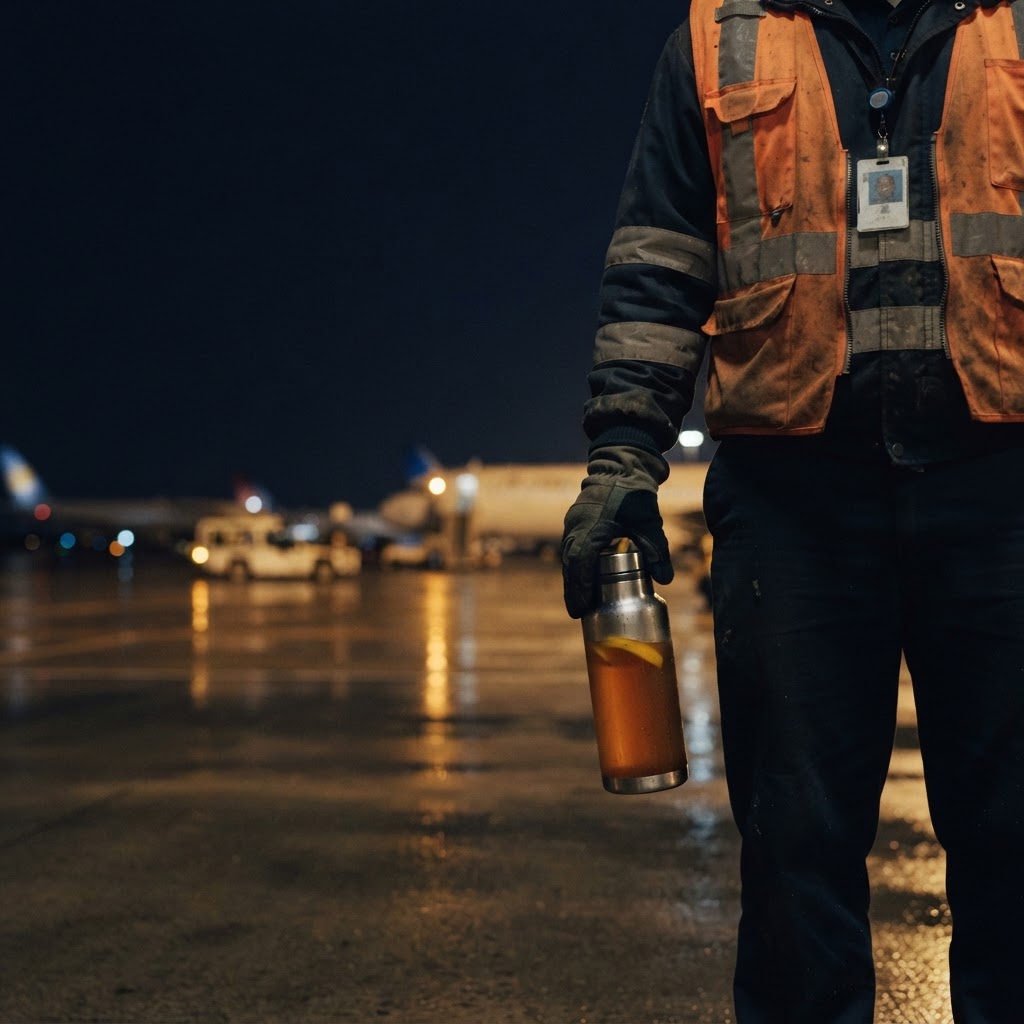
A long day outside rarely announces itself as a hydration problem. It starts with the sun climbing, a few hours of work, and the bottle you meant to refill still sitting in the truck. Later, the heat feels heavier. Your head hurts, your pace slips, and even a familiar task takes more effort.
Outdoor work makes hydration a practical part of the workday, not an afterthought. The right routine depends on the heat, exertion, clothing, breaks, and your own health. Here’s a simple way to think about it.
- Start work hydrated and keep fluids accessible, taking regular opportunities to drink rather than waiting until you feel badly.
- In prolonged, heavy sweating, food and an electrolyte drink can help replace sodium as well as fluid. More is not always better.
- Heat illness can become an emergency. Confusion, fainting, seizures, or very hot skin require urgent medical help.
Heat Changes the Workday
Your body cools itself largely by sweating. In hot conditions, especially during physical work, that cooling system has to work harder. How much fluid you need varies widely. A person hauling materials in humid weather has different needs from someone doing lighter work in shade, and medications or medical conditions can change the picture too.
There isn’t one universal number of ounces that fits every worker and every shift. The CDC and NIOSH advise employers to provide cool water, rest breaks, and acclimatization for workers exposed to heat. If your workplace has a heat-safety plan, follow it. If it doesn’t, speak with a supervisor about access to water, shade or cooling areas, and breaks.
Sweat contains water and electrolytes, including sodium. With prolonged sweating, replacing fluid alone may not replace all the sodium lost. But drinking excessive amounts of plain water can also be dangerous. Hydration should be steady and matched to conditions, not forced.
Build a Routine Around the Shift
A useful plan begins before the hottest part of the day. Arrive ready to work, keep a clean bottle or cooler within reach, and know where you can refill it. Take drinking opportunities during scheduled breaks and whenever your work plan allows. If you’re sweating heavily for hours, include meals or snacks and consider whether an electrolyte beverage fits the situation.
For very hot work, gradual acclimatization matters. Someone returning after time away from heat may need a more cautious ramp-up, with extra breaks and a lighter workload when possible. NIOSH recommends a gradual increase in heat exposure over 7 to 14 days for new workers, with a more gradual schedule for workers who have prior heat exposure. Employers should tailor this to the job and applicable guidance.
Headache, dizziness, nausea, weakness, heavy sweating, and cramps can be warning signs of heat-related illness. Move to a cooler place, stop exertion, and get help. Confusion, loss of consciousness, seizures, or very hot skin are emergency signs. Call emergency services and begin cooling while help is on the way.
When Electrolytes May Make Sense
For a short or moderate shift with ordinary meals and access to water, an electrolyte product may not be necessary. For extended strenuous work with heavy sweating, especially in high heat, a drink containing electrolytes may be one practical option alongside water and food. The job, environment, and individual health matter.
Check the label rather than assuming every product is interchangeable. Look at sodium per serving, serving size, added sugars, and any ingredients you need to avoid. Follow the product directions, and don’t treat a sports or electrolyte drink as a substitute for heat breaks or medical care. People with heart, kidney, or blood-pressure conditions, or those on medications affecting fluids or sodium, should ask a healthcare professional what’s appropriate for them.
Pair a refill plan with your break plan. A bottle that stays in a hot vehicle or far from the work area is much less useful than one you can safely access and refill.
What I’d Put in a Heat-Day Kit
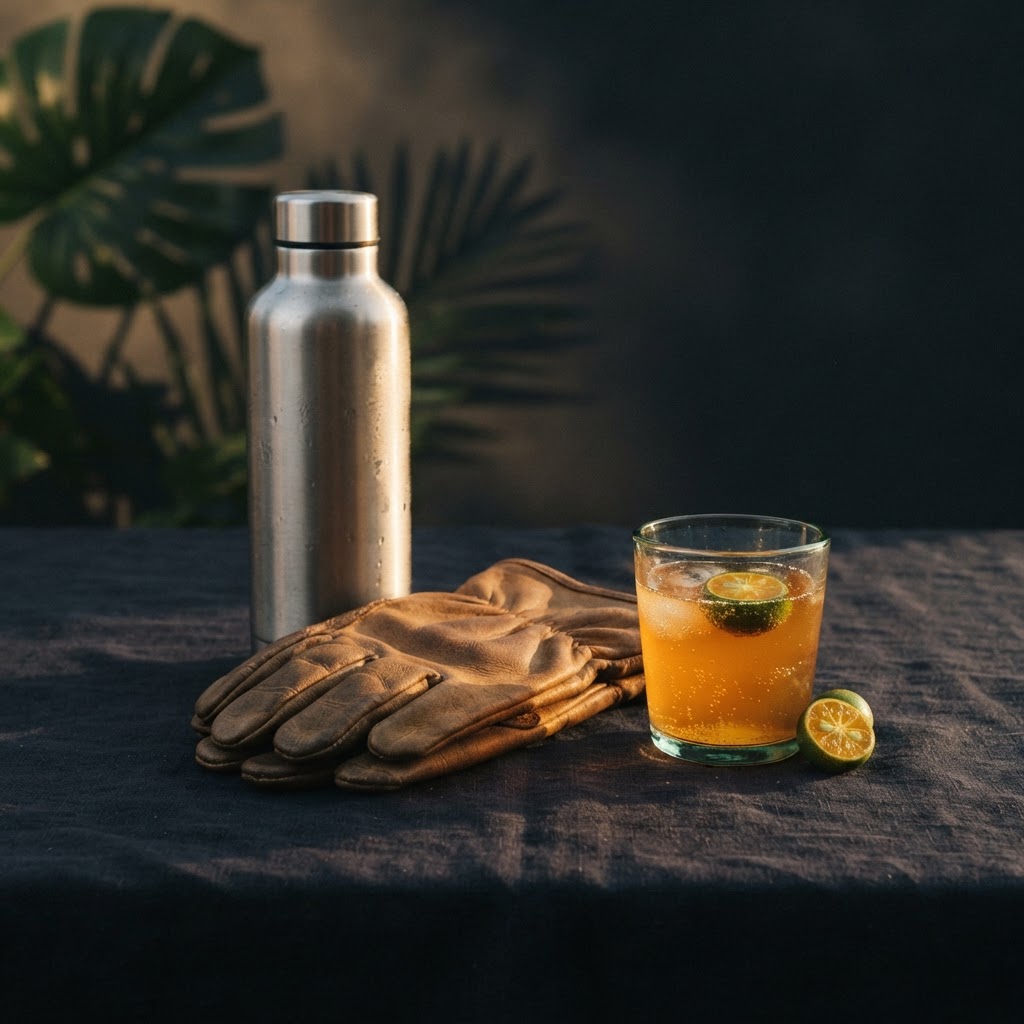
Keep the plan simple enough to use when the day gets busy:
- Water access: a refillable bottle and a reliable refill or cooler location.
- A break plan: shade or a cooled area, scheduled rest, and a way to adjust work during dangerous heat.
- Food: regular meals or snacks, especially during long shifts.
- Electrolytes when appropriate: selected by label and used according to directions, not as a replacement for water, food, or breaks.
- A buddy check: know who to tell if you feel unwell, and watch for changes in coworkers.
The first signs of trouble are easy to dismiss when the crew is trying to finish a job. Don’t tough out worsening symptoms. Stop, cool down, tell someone, and seek medical help when symptoms are severe or don’t improve.
Make Hydration Part of the Ritual
I like hydration best when it’s built into the day: prepare the bottle before leaving, keep it where it’s accessible, and use breaks as a natural cue to drink and check in with yourself. A bright flavor can make that routine feel less like a chore. Calamansi, the tart Filipino citrus, brings a lively note to that moment without changing the basics: safe work practices, enough rest, and attention to symptoms come first.
For more on how minerals fit into everyday hydration, see our guide to why tap water isn’t always the whole hydration story and our overview of electrolytes for long shifts.
Hydration inspired by Filipino flavor. Meet INOMANLYTES →
I’m Alexander Salinas, RN. Keep the routine practical, listen when your body signals a problem, and make heat safety a shared responsibility.
INOMANLYTES is a premium, Filipino-inspired electrolyte blend — calamansi, coconut water powder, and pink Himalayan salt — currently in development. Follow along at drinkinomanlytes.com and join the waitlist to be the first to know when we launch.
Hydration inspired by Filipino flavor.
Meet INOMANLYTES — electrolytes with intention.
Meet INOMANLYTES
Alexander Salinas, RN
Verified AuthorCritical care nurse, yoga teacher, and founder of INOMANLYTES. On a mission to bring intentional, Filipino-inspired hydration to everyday wellness.
Read his story →