By Alexander Salinas, RN
The History of Coconut Water in Filipino Culture
There's a particular kind of thirst that feels like home.
It's the afternoon heat in the Philippines, the kind that settles over the skin while you're walking past a sari-sari store or waiting for a jeepney. Somewhere nearby, a buko is being opened with a bolo. You take the first sip straight from the coconut, cool and lightly sweet, and suddenly the heat feels less like something to fight and more like something you know how to move through.
I grew up understanding coconut water as refreshment before I understood it as a hydration ingredient. In Filipino homes, it has never needed a marketing campaign to earn its place. It has been there at family gatherings, after time outside, and in the simple rhythm of sharing what the land gives us.
- Buko juice—fresh young coconut water—is woven into everyday Filipino life, hospitality, and celebration.
- Coconut water naturally contains water and electrolytes, especially potassium, but it is not a cure-all or a replacement for medical care.
- Modern hydration can borrow the ritual: simple ingredients, bright flavor, and care that feels personal.
Before It Was a Wellness Trend, It Was Buko
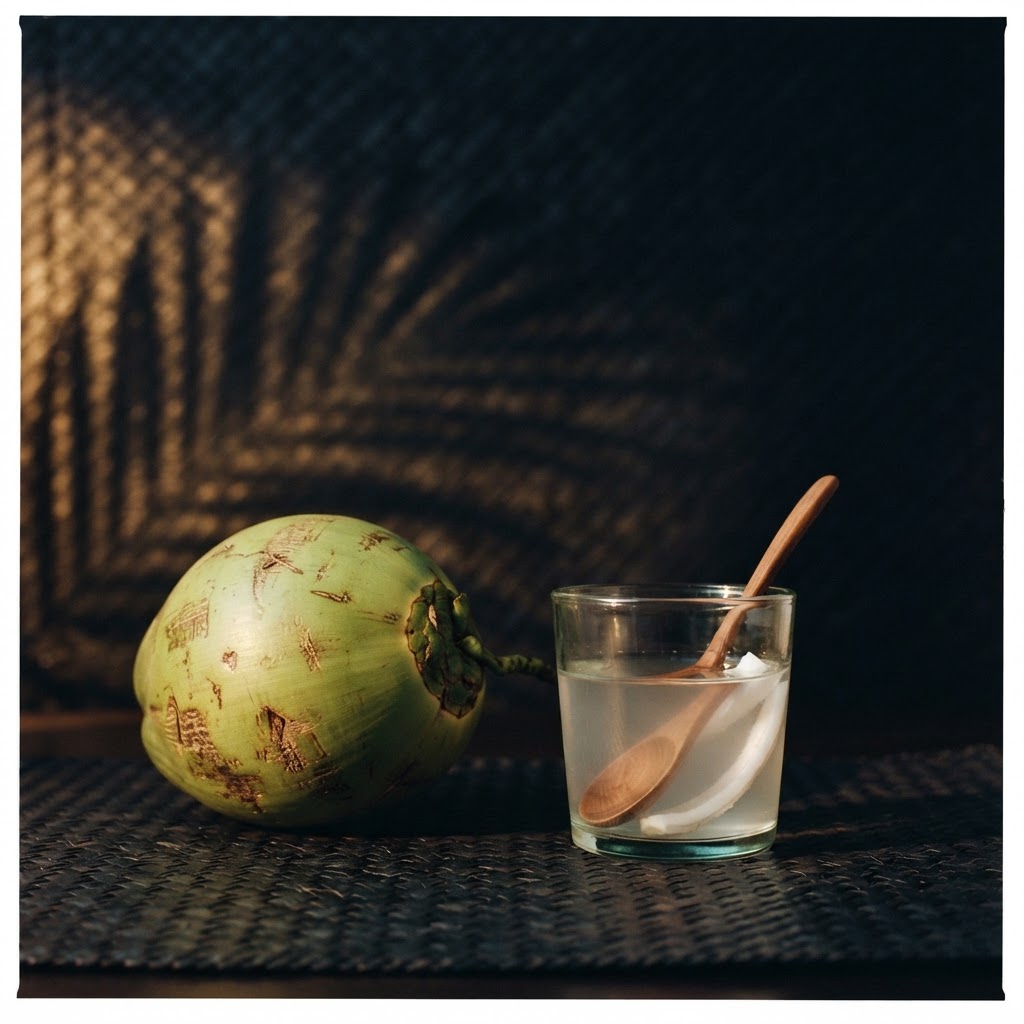
In the Philippines, "buko" usually refers to a young coconut, harvested before the meat fully hardens. Its water is clear, gently sweet, and incredibly refreshing when served cold. You'll find it in markets, roadside stands, fiestas, and family kitchens—sometimes poured into a plastic bag with a straw, sometimes served directly in the shell.
That context matters. Coconut water did not arrive in Filipino culture as a powdered wellness product or a post-workout formula. It arrived as a practical gift from a tropical landscape. Coconut palms thrive across the archipelago, and the fruit has long been used in food, cooking, building materials, and household life.
The coconut is often called the "tree of life" for good reason. Different parts of it can be used in remarkably different ways, and buko juice is one of the most joyful expressions of that generosity.
Food traditions carry more than flavor. They hold memory, place, and a way of caring for one another.
A Taste of Hospitality
Ask someone to describe Filipino hospitality and they'll probably mention food first. A guest is rarely allowed to sit for long without being offered something to eat or drink. Buko juice fits naturally into that instinct: it is generous, cooling, and easy to share.
At celebrations, young coconut often appears in desserts like buko pandan, where tender coconut meat meets pandan, cream, and chewy textures. The flavor is nostalgic without being heavy. It tastes like a cooler opened during a hot day, a birthday table, or a family gathering where everyone stays longer than planned.
That's the part of hydration I think we sometimes miss. We treat drinking water like a task to complete, then wonder why the habit never feels satisfying. The Filipino approach is more sensory. Make it cold. Make it bright. Offer it to someone else. Turn a basic need into a small ritual.
A good hydration ritual should feel less like a rule and more like being cared for.
What Coconut Water Actually Brings to the Glass
Coconut water is mostly water, with naturally occurring carbohydrates and minerals. Potassium is the standout electrolyte, while the exact nutrition profile varies by coconut, maturity, processing, and serving size.
That makes it refreshing, but it also helps to keep the claims grounded. Coconut water can be a delicious option after a normal day in the heat or light activity. It is not automatically better than every electrolyte drink, and it may not provide enough sodium for heavy sweating, long endurance sessions, or certain clinical situations.
As a nurse, I care about the difference between "this can support hydration" and "this will fix everything." If you have kidney disease, heart failure, diabetes, or a condition that requires fluid or potassium restrictions, talk with your clinician before making coconut water a daily strategy.
Electrolytes help regulate fluid balance, nerve signaling, and muscle function. Different situations call for different amounts, which is why the full formula—and not one trendy ingredient—matters.
From Nipa Hut to Modern Wellness Shelf
Coconut water eventually traveled far beyond the islands. Advances in packaging made it possible to bottle and export, and the global wellness world embraced its tropical identity. Suddenly, something familiar from Filipino life was being presented as an exotic discovery.
I love seeing Filipino ingredients receive attention. I also think the story should stay attached to the people and places that carried it first. When coconut water is marketed without that context, the ingredient can become a mood board—palm leaves, bright colors, vacation language—while the culture disappears behind it.
The better path is appreciation with attribution. Say buko. Talk about Filipino foodways. Let the flavor be modern without pretending it has no history.
What I Actually Do on a Hot Day
When I'm coming off a warm day or a long stretch on my feet, I keep hydration uncomplicated:
- I start with water and pay attention to how I actually feel, rather than chasing a perfect number.
- If I've been sweating for a while, I choose an electrolyte drink that includes sodium, not just a tropical flavor story.
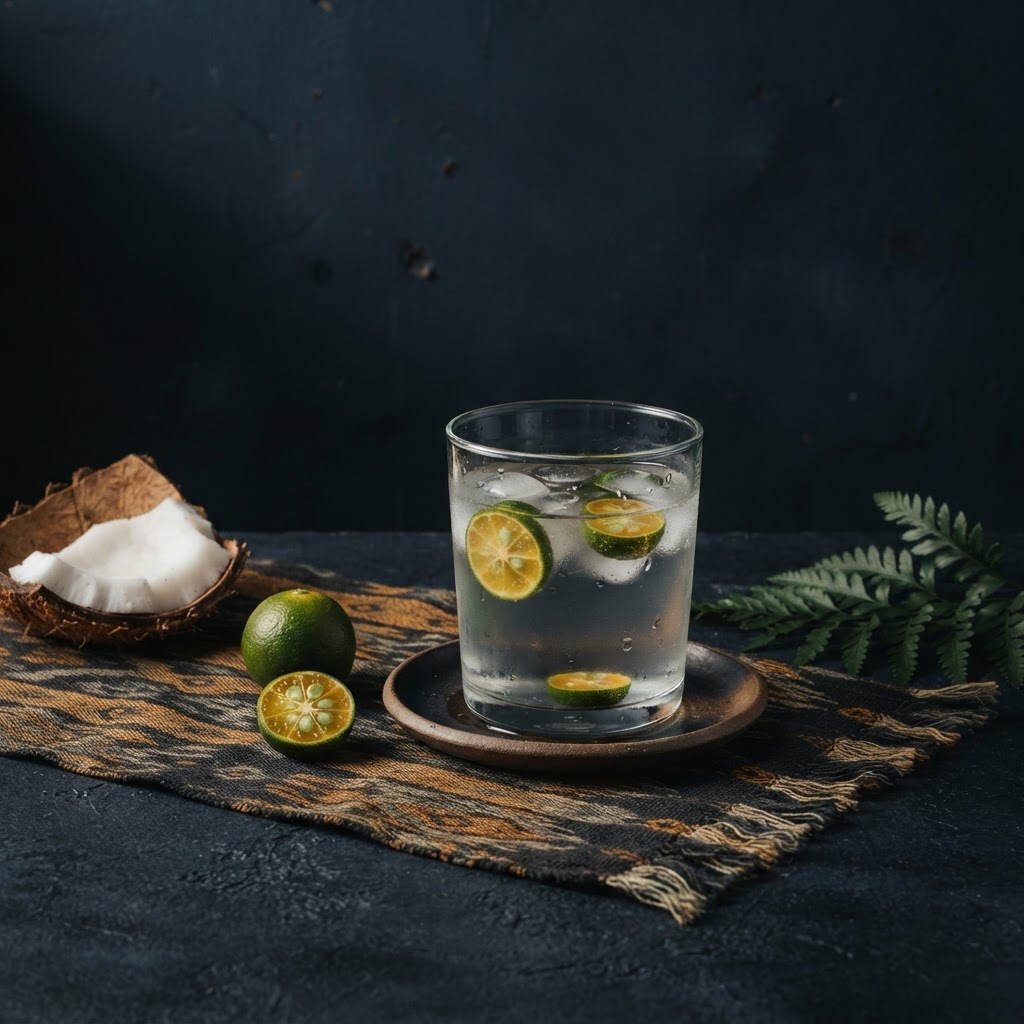
- I use coconut-forward and calamansi-inspired flavors because enjoyment makes the habit easier to repeat.
- I treat warning signs seriously. Dizziness, confusion, fainting, chest pain, or inability to keep fluids down deserve medical attention.
The goal is not to drink the most. It's to replace what your body is losing in a way that fits your day, your health, and your life.
Chill your drink, add a squeeze of citrus, and keep it where you can see it. The best routine is the one that is easy to reach for.
A Filipino-Inspired Future for Hydration
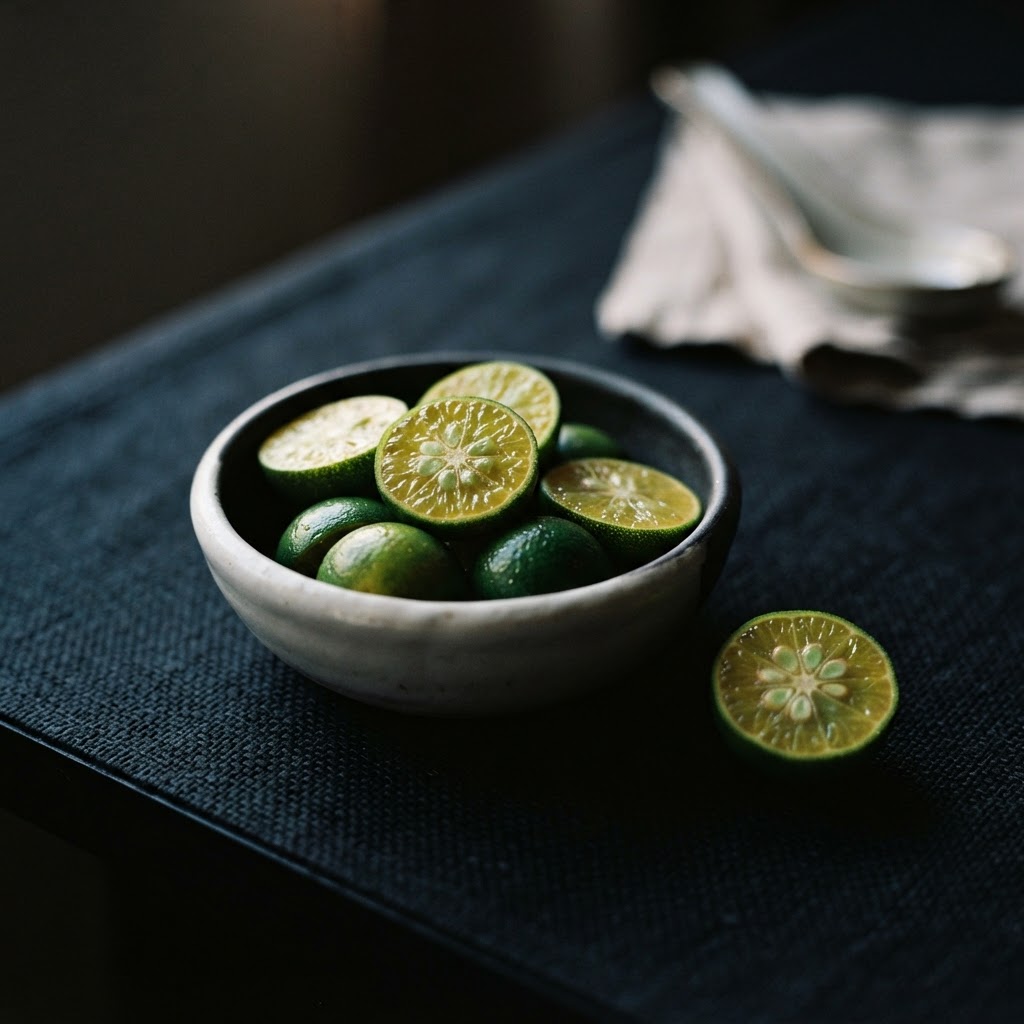
INOMANLYTES is being built around that same idea: hydration can be functional and beautiful, familiar and fresh. Filipino-inspired flavor is not a decorative detail. It is the starting point—a way to bring calamansi, coconut, and a sense of place into a daily ritual.
If you want to go deeper, start with what calamansi is and why it matters, then follow the practical guide to reading an electrolyte label. Both are useful reminders that flavor and function can belong in the same conversation.
For me, the history of coconut water is not really a story about a beverage becoming popular. It is a story about a tradition finally being seen—and about making sure that, as it travels, it keeps its roots.
Hydration inspired by Filipino flavor. Meet INOMANLYTES →
— Alexander
Follow along at drinkinomanlytes.com — join the waitlist to be the first to know when we launch.
Hydration inspired by Filipino flavor.
Meet INOMANLYTES — electrolytes with intention.
Meet INOMANLYTES
Alexander Salinas, RN
Verified AuthorCritical care nurse, yoga teacher, and founder of INOMANLYTES. On a mission to bring intentional, Filipino-inspired hydration to everyday wellness.
Read his story →