By Alexander Salinas, RN
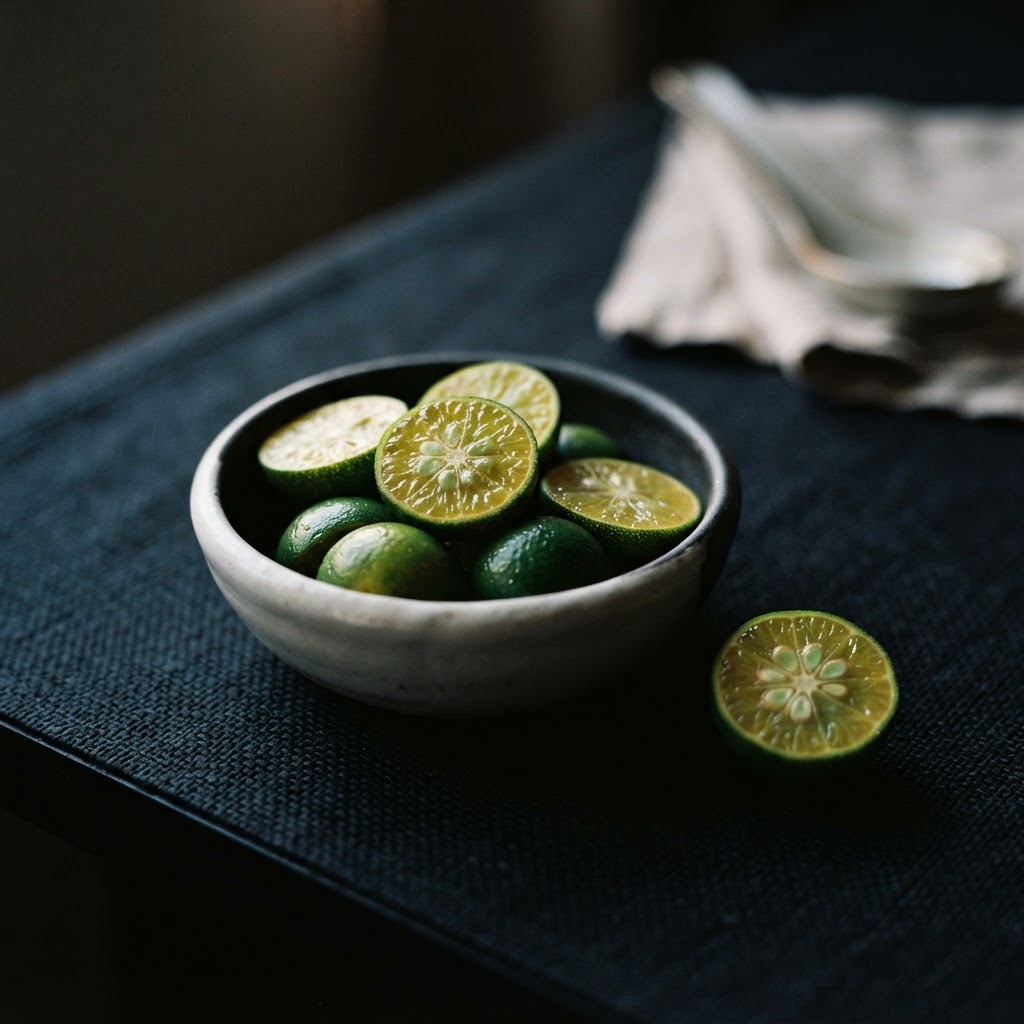
A calamansi is small enough to disappear in your palm. Cut one open and it announces itself immediately: sharp, fragrant, and bright. In Filipino kitchens, that little citrus can turn up in a dipping sauce, squeeze over a meal, or a glass of something cold. It is not just a garnish. It is part of how a dish finds its balance.
That everyday familiarity is what makes calamansi worth talking about in wellness. Not because a fruit carries magical health powers, but because food traditions can remind us that care is often practical, sensory, and shared.
- Calamansi is used across Filipino cooking in sauces, marinades, drinks, and as a finishing citrus; practices vary by household and region.
- Its appeal is flavor and versatility, not a promise to detox, cure, or prevent illness.
- A hydration ritual inspired by food culture can be delicious while still being grounded in ordinary hydration science.
A Little Citrus With a Big Place at the Table
Calamansi, also called calamondin in some contexts, is a small citrus used widely in Filipino foodways. Its taste is tart and aromatic, with a character all its own. In everyday cooking, it can brighten savory foods, cut through richness, and bring acidity to a sauce or marinade.
One familiar use is toyomansi, a simple pairing of soy sauce and calamansi that can accompany grilled or fried dishes. But there is no single definitive way to use it. Families adjust proportions, add pepper or chili, or reach for another condiment depending on the meal and what is available. It also appears in drinks and sweets, and can be squeezed over food at the table.
Food culture is lived and varied. A familiar ingredient can carry memories of particular meals, people, and places, but no single recipe represents every Filipino household.
The citrus also reflects a useful kitchen principle: a small amount of acidity can change the whole experience of a meal. The point is not that calamansi makes food healthier by itself. It is that flavor can make everyday nourishment feel more inviting.
From Kitchen Ingredient to Wellness Symbol
Wellness brands often borrow ingredients from cultures around the world. That can introduce people to flavors they have not tried, but it can also flatten a meaningful ingredient into a trend or a list of supposed superpowers.
I think a better starting point is ordinary respect: name the ingredient accurately, explain how it is commonly used without claiming every family uses it the same way, and give cultural context rather than treating it as exotic decoration. Calamansi does not need inflated claims to be compelling. Its taste, its place in food, and the people who have kept it part of everyday cooking are enough.
Citrus fruits contain vitamin C, but the amount in any serving depends on the fruit and how much you use. A splash of calamansi can add flavor; it should not be presented as a substitute for medical care or a cure for illness.
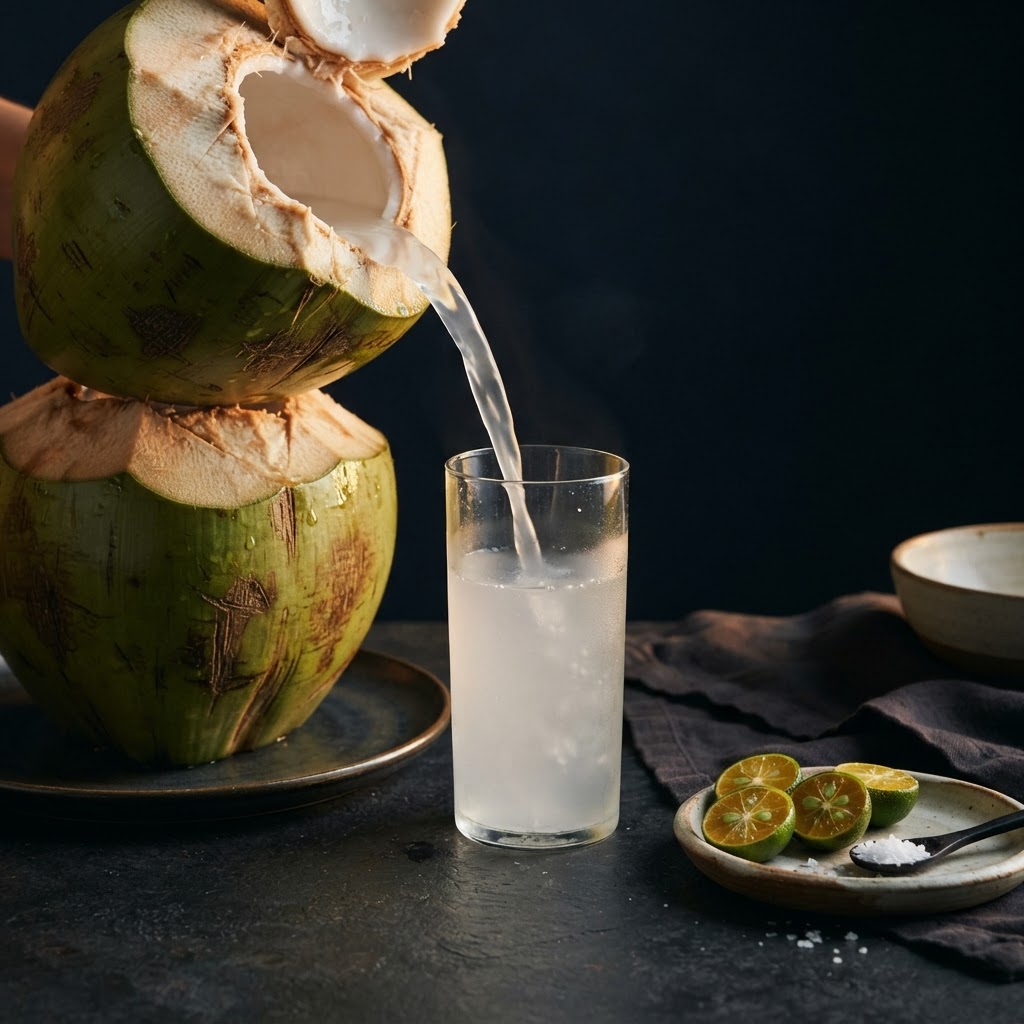
Hydration itself is less mysterious. Water is essential, and needs vary with activity, heat, health, and individual circumstances. Electrolytes such as sodium help regulate fluid balance, but not everyone needs an electrolyte drink all day. For most people and ordinary daily activity, water and meals are a sensible foundation. For prolonged heavy sweating or specific medical needs, advice should be individualized.
Flavor Can Make the Ritual Stick
A drink you enjoy may be easier to reach for than one you force down. That is a practical point, not a clinical promise. Bright citrus can make water feel more like a small pause in the day and less like another box to check.
If you want to try calamansi at home, start simply:
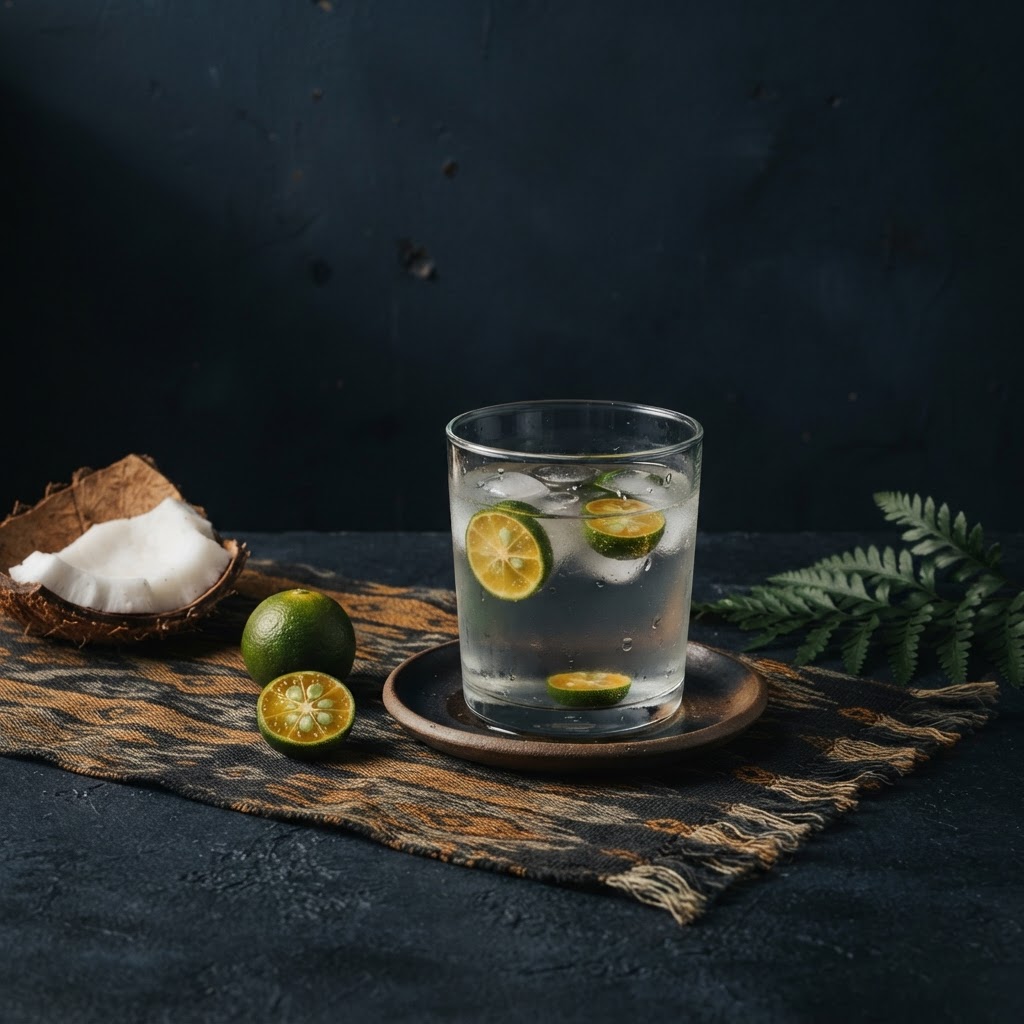
- Squeeze a little into chilled water and adjust to taste.
- Pair it with food, as you might use lemon or lime, while recognizing its flavor is distinct.
- Try a small amount in a dipping sauce with soy sauce, then add pepper or chili if you like.
- If using a packaged drink, read the ingredient and nutrition labels, especially if you are monitoring sodium or added sugars.
Let taste guide the recipe, not health claims. Start with a small squeeze, and remember that acidic drinks can bother sensitive teeth or reflux for some people. Rinsing with plain water afterward may help limit prolonged acid contact with teeth.
What I Actually Do
When I want a drink to feel refreshing, I keep the method uncomplicated: cold water, a little citrus, and a flavor I genuinely like. On a day with sustained heat or heavy sweating, I pay attention to the bigger picture too: fluids, meals, and how I feel. If symptoms are severe or unusual, I do not try to solve them with a trendy drink; I seek appropriate medical advice.
That is the kind of wellness I trust most. It leaves room for culture and pleasure without pretending one ingredient can do everything. Calamansi can be both familiar and newly discovered, depending on who is tasting it. And a thoughtful modern product can honor that ingredient by being transparent about what it is and what it is not.
For more on this citrus, read What Is Calamansi? The Filipino Citrus You’ve Been Missing. For another ingredient perspective, see Coconut Water Powder Explained.
Hydration inspired by Filipino flavor. Meet INOMANLYTES →
Calamansi has always had a place beyond the wellness aisle: in food, in flavor, and in the ordinary creativity of the kitchen. That is a good place to begin.
INOMANLYTES is a premium, Filipino-inspired electrolyte blend featuring calamansi, coconut water powder, and pink Himalayan salt, currently in development. Follow along at drinkinomanlytes.com and join the waitlist to hear when we launch.
Hydration inspired by Filipino flavor.
Meet INOMANLYTES — electrolytes with intention.
Meet INOMANLYTES
Alexander Salinas, RN
Verified AuthorCritical care nurse, yoga teacher, and founder of INOMANLYTES. On a mission to bring intentional, Filipino-inspired hydration to everyday wellness.
Read his story →