By Alexander Salinas, RN
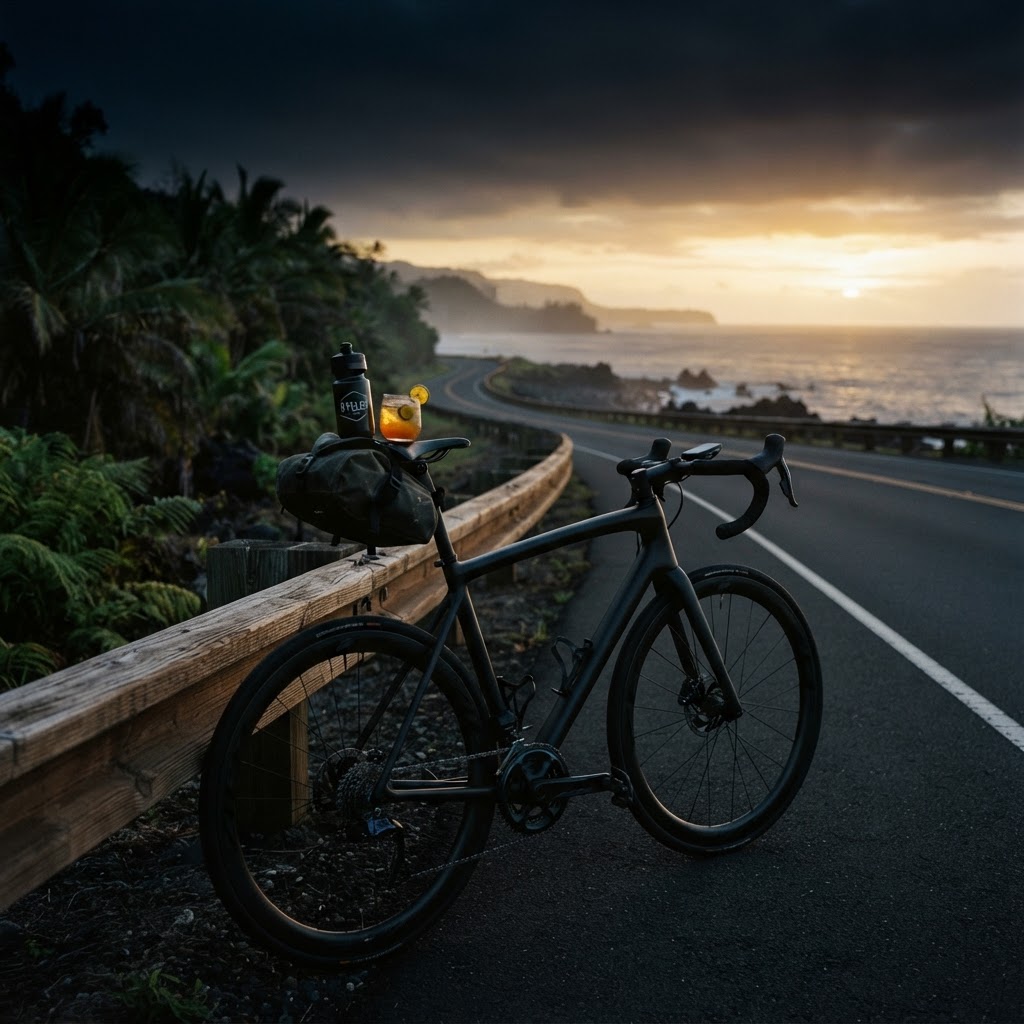
Mile 52. The sun is higher than you planned, your bottle has been empty since mile 44, and the convenience store you were counting on turns out to be a shuttered shell of a building with a faded Lotto sign.
That was the day I stopped improvising my hydration on long rides and started planning it like I plan my nursing shifts. Because here's what I've learned from both worlds: fluids you carry in your body are worth ten you're hoping to find out there.
Long-distance cycling is one of the most hydration-demanding things you can do to yourself on a Saturday. It hides the work. There's no impact, no heavy breathing in your face, and the moving air evaporates your sweat so fast you can ride for hours and never feel drenched. That's the trap.
- Cycling sweat evaporates quickly, so you'll feel drier than you actually are. By the time you feel thirsty on a long ride, you're already behind.
- Hard riding can cost you roughly 0.5 to 2 liters of sweat per hour — and every liter carries sodium out with it.
- Plan fluids like you plan your route: know your rough sweat rate, carry more than you think you need, and put minerals in every bottle.
Why Cycling Messes With Your Thirst Sense
Running tells you the truth about your effort. Cycling lies to you.
The airflow over your skin is so efficient at evaporating sweat that you can lose significant fluid without ever feeling wet. Sports scientists call this "masked sweating," and it's one of the reasons cyclists end up further behind on fluids than runners doing comparable work.
There's a second problem: exercise blunts thirst. Hard efforts redirect blood away from your gut and toward your working muscles, and your thirst signaling lags behind your actual losses. Combine a muted thirst signal with sweat you never really see, and you get riders finishing centuries down three or four pounds without ever feeling that thirsty.
A body water deficit of just 2% of your weight is enough to measurably reduce performance and increase perceived effort. On a 180-pound rider, that's only about 3.6 pounds of lost water. Long rides can get you there faster than you'd think.
Know Your Sweat Rate (It Takes One Ride)
You don't need a lab. You need a bathroom scale and one honest test ride.
- Weigh yourself before a hard one-hour ride, in the same clothes both times
- Track every ounce you drink during the ride
- Weigh yourself after, and add back the fluid you drank
- Every pound lost is roughly a pint of sweat — that's your hourly sweat rate for those conditions
I've written before about how much sodium you lose when you sweat, and the short version is that sweat isn't just water. Every liter carries sodium out with it, plus smaller amounts of potassium and magnesium. Riders who replace the water but not the minerals end up diluting what's left — and that comes with its own set of problems, from cramping to that foggy, heavy-legged feeling around mile 70.
Temperature changes everything. A sweat rate measured on a 60-degree morning can double on a 90-degree afternoon. Re-check it when the season turns.
What I Actually Carry
After years of getting this wrong, here's the system that works for me on rides longer than two hours:
Bottle one: minerals. Water with a full electrolyte serving, not a light splash. This bottle gets sipped from the first fifteen minutes, before I feel like I need it. Drinking to thirst works fine around town; on a five-hour ride, I drink on a rhythm instead — a few good pulls every ten to fifteen minutes.
Bottle two: same thing. Two identical bottles means no decision fatigue. I'm not negotiating with myself at mile 40 about whether this is the "special" bottle. They're both the plan.
Route reality check. I mark every reliable water stop on my route before I leave. Gas stations, parks, a friend's house if I have to. The point isn't to carry six hours of fluid — nobody wants that weight — it's to never be more than forty-five minutes from a refill.
A little salt at lunch. On rides over four hours, I stop for real food, and I don't shy away from salt on it. A pretzel or salted rice cake at the halfway stop does more for the back half of the ride than another gel ever will.
Fluid you planned to carry beats fluid you hoped to find. The best hydration strategy on a long ride is the one that survives the ride not going according to plan.
The Bigger Lesson From My Shifts
Honest confession: I didn't learn most of this on a bike. I learned it working 12-hour shifts, where going three or four hours without fluids is just a normal Tuesday. The professional shift-worker version of this problem — fog rolling in around hour eight, headaches by hour ten — is the same physiology wearing different clothes. I covered the whole pattern in my guide to staying hydrated through long workdays.
Whether it's a century, a double shift, or a full day of teaching yoga, the framework doesn't change:
- Front-load before the effort, not after the thirst
- Drink on a rhythm, not on a feeling
- Replace minerals, not just volume
- Plan your refills before you need them
Riding far is mostly a negotiation with your own body about what it's willing to keep doing. Fluids and minerals are the leverage in that negotiation. Bring enough of them, and mile 80 feels like a choice instead of a punishment.
Hydration inspired by Filipino flavor. Meet INOMANLYTES →
INOMANLYTES is a premium, Filipino-inspired electrolyte blend — calamansi, coconut water powder, and pink Himalayan salt — currently in development. Follow along at drinkinomanlytes.com and join the waitlist to be the first to know when we launch.
Hydration inspired by Filipino flavor.
Meet INOMANLYTES — electrolytes with intention.
Meet INOMANLYTES
Alexander Salinas, RN
Verified AuthorCritical care nurse, yoga teacher, and founder of INOMANLYTES. On a mission to bring intentional, Filipino-inspired hydration to everyday wellness.
Read his story →