By Alexander Salinas, RN
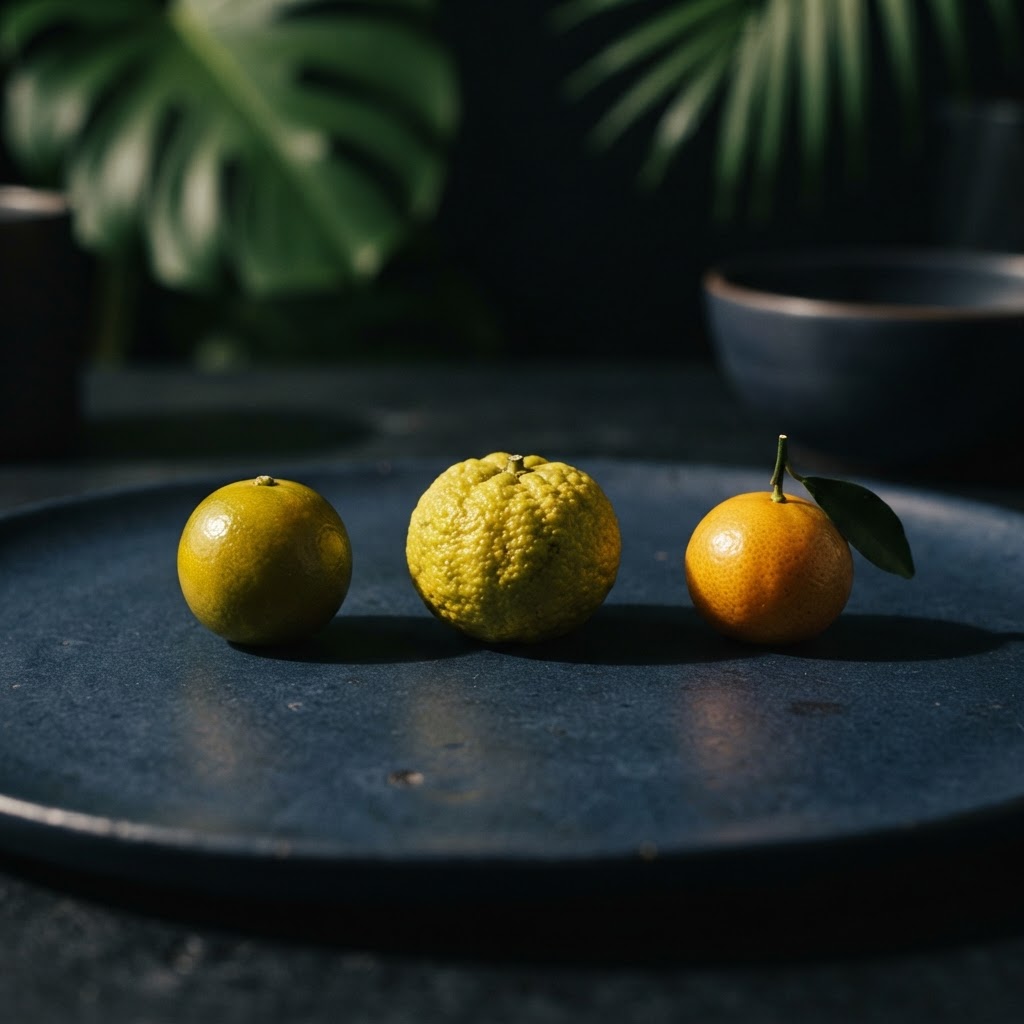
People ask me all the time: "Is calamansi just a lime?" Or "Isn't that the same as calamondin?" Or my favorite — "So it's basically yuzu, right?"
No. No it is not.
These three citrus fruits get lumped together because they're small, they're Asian, and most Americans hadn't heard of any of them until about five years ago. But they're completely different fruits with completely different flavor profiles, origins, and uses. And if you're building a hydration brand around one of them — which I am — it matters a lot.
Let me break it down.
Calamansi (Calamansi)
Calamansi is the one I grew up with. It's native to the Philippines — deeply embedded in Filipino cooking, culture, and daily life. If you walk into any Filipino household, there's a good chance there's a calamansi tree in the yard or a bottle of freshly squeezed juice in the fridge.
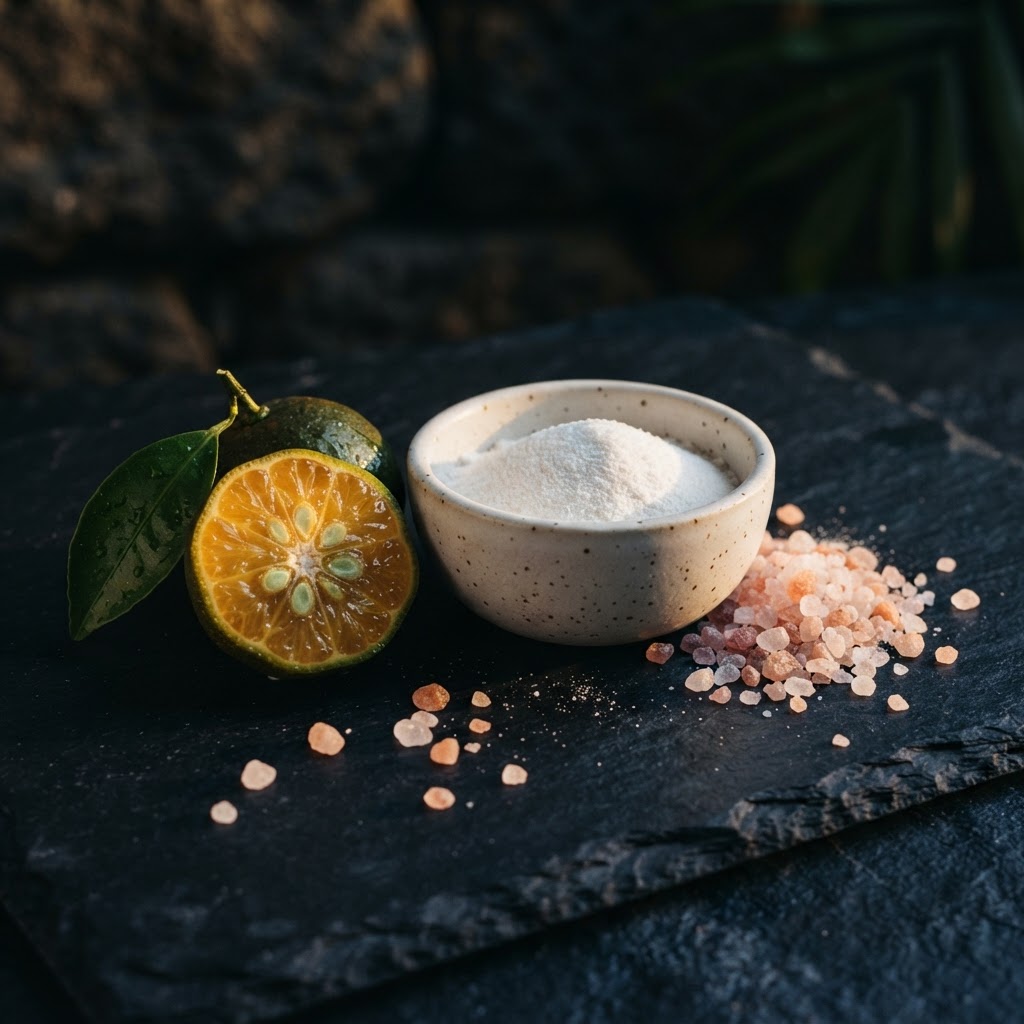
The fruit is small, round, and green when unripe, turning to a golden orange-yellow as it ripens. The flavor is what makes it special — it's tart like a lime but with a fragrant, almost floral sweetness that hits right after. It's brighter and more complex than regular lime. There's nothing else that tastes quite like it.
In the Philippines, calamansi is used for everything: marinades, sauces, dipping vinegars, juices, and natural cold remedies. It's the original Filipino wellness ingredient — high in Vitamin C, naturally antibacterial, and refreshing in a way that regular citrus just isn't.
This is the ingredient at the heart of INOMANLYTES. Not because it's trendy — because it's ours.
Yuzu
Yuzu is Japanese. It's been a cornerstone of Japanese cuisine for centuries — used in ponzu sauces, yuzu kosho (a chili-yuzu paste), dressings, and increasingly in cocktails and desserts.
The fruit is bigger than calamansi, with a bumpy, thick rind. The flavor is intensely aromatic — more perfume than juice. It's tart, but the taste is more floral and complex than sour. The rind is actually where most of the flavor lives, which is why so many yuzu products use zest rather than juice.
Yuzu is incredible. But it's not calamansi. It's more expensive, harder to source, and its flavor profile is distinctly Japanese — elegant and restrained where calamansi is bright and punchy.
Calamondin (Calamondin Orange)
Here's where it gets confusing. Calamondin and calamansi are often used interchangeably, and honestly, even in the Philippines, you'll hear people call calamansi "calamondin." But botanically, they're closely related — some botanists consider them the same species, just with regional variations.
The practical difference? Calamondin is the name more commonly used outside the Philippines — in Florida, for example, where it's grown as an ornamental. Calamansi is the Filipino name, and the fruit grown in Philippine soil has a slightly different character: more acidic, more fragrant, and more consistent in flavor.
For my purposes — and for INOMANLYTES — I always use calamansi. It's the Filipino name for a Filipino ingredient, and that matters. The story isn't just about the flavor. It's about where it comes from.
So Why Does This Matter?
If you're choosing an electrolyte drink and the label says "citrus flavor" or "natural flavors," you're getting something generic. You're getting a lab approximation of a fruit that someone in a facility decided tasted close enough.
When INOMANLYTES uses calamansi, it's not interchangeable with yuzu or calamondin or lime. It's a specific ingredient from a specific culture with a specific taste. That's the whole point — real ingredients with real origins, not a generic "citrus blend" that could be anything.
The difference between calamansi and yuzu is the difference between a Filipino kitchen and a Japanese one. Both are excellent. Both deserve respect. But they are not the same thing, and pretending they are strips the meaning out of both.
INOMANLYTES is a premium Filipino-inspired electrolyte brand built around real ingredients with real stories. Join the waitlist at drinkinomanlytes.com to be first in line when we launch.
Hydration inspired by Filipino flavor.
Meet INOMANLYTES — electrolytes with intention.
Meet INOMANLYTES
Alexander Salinas, RN
Verified AuthorCritical care nurse, yoga teacher, and founder of INOMANLYTES. On a mission to bring intentional, Filipino-inspired hydration to everyday wellness.
Read his story →